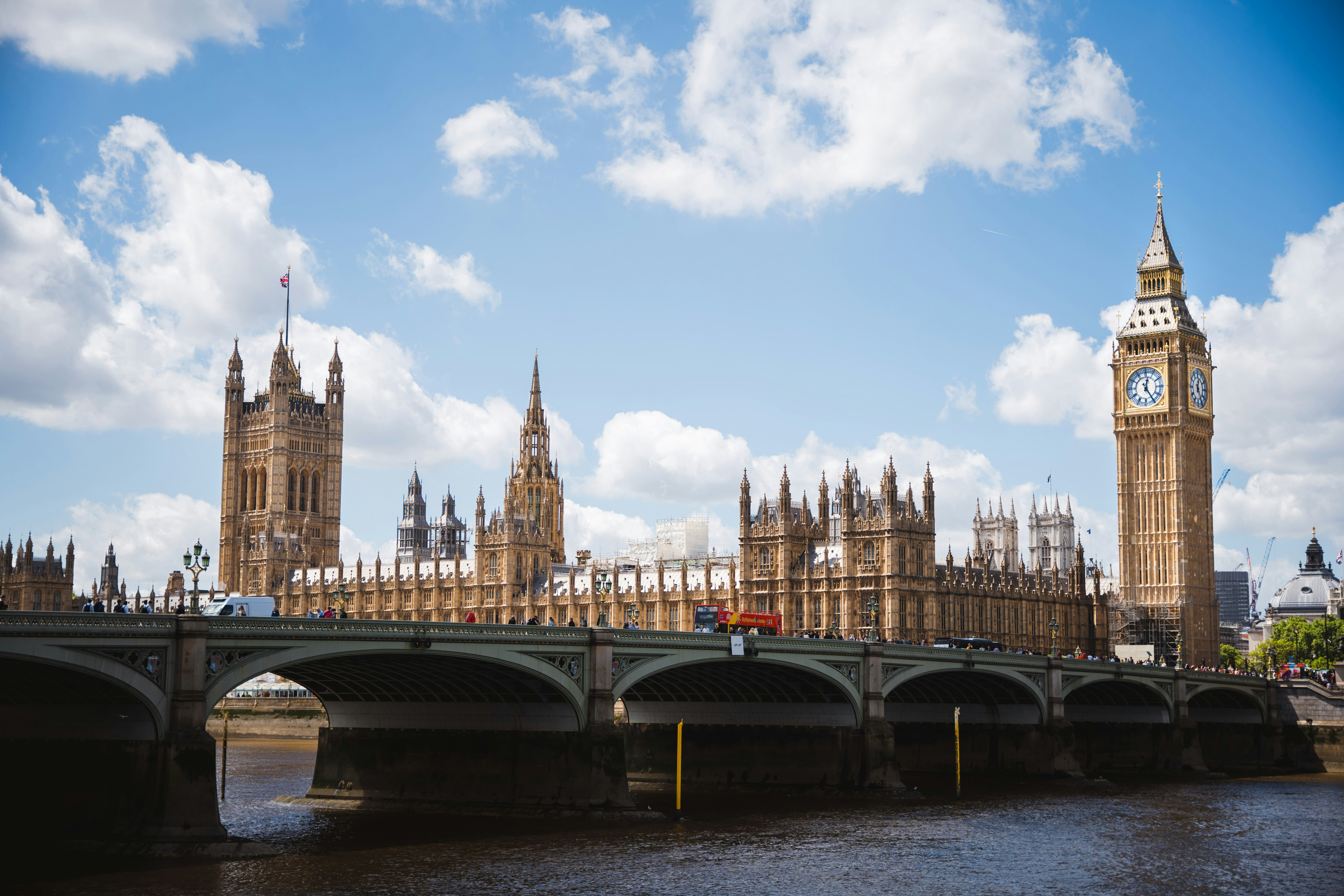
A date for the link: UK-EU summit on 20 November puts emissions trading on the table
The UK-EU summit delayed from the summer now has a date. In a statement to the House of Commons on 12 October, the Prime Minister confirmed that the summit will be held in Brussels on 20 November, with emissions trading among the items on the table alongside trade in food and drink, a youth experience scheme and cooperation on migration. He told MPs he would work hard over the next five weeks to deliver.
How close is the deal?
Closer than it has ever been, on the reporting. POLITICO reported on 7 October that negotiators had reached agreement on linking the UK and EU emissions trading systems, and Carbon Pulse's analysts now describe a linkage deal at the November summit as increasingly likely, with a mutual CBAM exemption the point in focus. The carbon market believed it: the price gap between UK and EU allowances narrowed by about 29 per cent, almost 5 euros, in two days of trading in early October.
What a link does to the two CBAMs
Linking is the route out of both border charges, but neither switches off automatically. On the EU side, UK goods stop needing certificates only once the UK is listed in Annex III of the CBAM regulation. That requires a delegated act, which the Commission can adopt only where an agreement fully links the two systems, the carbon price is effectively charged and no rebates undo it, and Parliament or Council can object for up to four months. On the UK side, the Finance Act 2026 lets the Treasury exempt goods from countries with a linked ETS, but only through regulations the House of Commons must approve first, and no draft has been laid. HMRC's policy summary still states that no jurisdictions are exempt.
A political agreement on 20 November would therefore not change 1 January 2027. The UK CBAM will apply to EU goods, and the EU CBAM to UK goods, until the legal steps on each side complete. The stakes are considerable: the EU imported 7.28 billion euros of CBAM-covered goods from the UK in 2025, making the UK the third-largest origin by value, most of it iron and steel.
The same week in Westminster
The UK rulebook moved too. The regulations covering the CBAM rate calculation and carbon price relief, SI 2026/809, cleared their Commons committee on 12 October, with full approval due by 20 October. The minister repeated that illustrative CBAM rates will be published very shortly, and cited the EU ETS as a qualifying scheme for relief, so importers should not pay twice for the same emissions. HMRC also reissued its draft force of law notice on 9 October.
What to do now
Price nothing on an exemption that does not yet exist. Importers on either side should keep recording the origin of every consignment, because origin is what any future exemption will turn on. UK importers of EU goods should gather the evidence for carbon price relief, which works today. And exporters should keep supplying emissions data, since verified figures will be needed right up to the day a link takes legal effect, and afterwards for any origin outside it.
We will report on what the summit actually agrees.
CBAM-Assured provides training and MRV support for businesses caught by the UK scheme, the EU scheme or both; contact us before January forces the question.