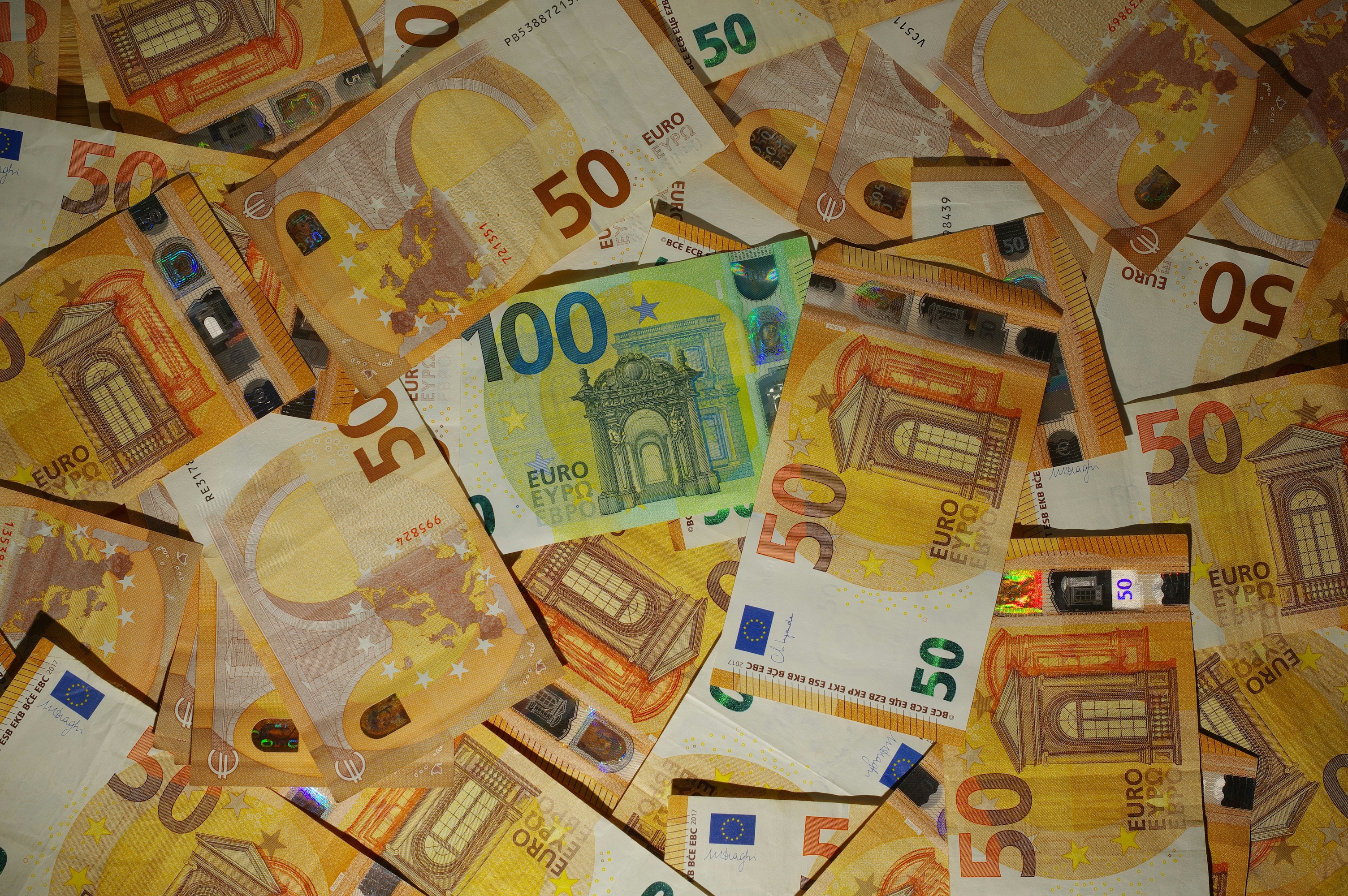
CBAM certificate price rises 9 per cent to €82.32 for the third quarter
The European Commission published its third quarterly CBAM certificate price on 5 October.Goods imported into the EU between July and September 2026 will be charged at €82.32 per tonne of CO2e. That is €7.04, or 9.4 per cent, above the second-quarter price of €75.28, and it ends a run of two quarters within eight cents of each other.
Why it moved
The quarterly price is the weighted average of the auction clearing prices of EU ETS allowances sold during the quarter. The Commission calculates it in the first calendar week after the quarter ends. There is no separate CBAM market, so the certificate carries whatever the EU carbon price did over the period. Allowance prices were firmer through the summer, which Carbon Pulse attributes to energy market tension linked to the conflict in the Middle East and to hot weather lifting power demand.
What it does to the numbers
Take a tonne of imported steel carrying two tonnes of embedded CO2e. At the second-quarter price its headline charge was about €151. At the third-quarter price it is about €165. An importer who pencilled in €75 for the whole year is now 9 percent short on every third-quarter consignment, and the fourth-quarter price, due on 4 January 2027, is unknown.
These are gross figures. The free allocation adjustment removes most of the charge in 2026. The CBAM factor this year is 97.5 per cent, so nearly all of the benchmark-level free allocation an EU producer would receive is deducted before certificates are due. Carbon prices paid in the country of production can be deducted too, with evidence. The net bill for 2026 is a fraction of the headline. It still rises with the certificate price, and it climbs each year as free allocation is withdrawn.
The lesson for budgeting
Two flat quarters made the certificate price look like a fixed cost. It tracks a traded market and will behave like one. From 2027 that becomes more immediate, because the Commission moves to a weekly price. Certificates are scheduled to go on sale on 1 February 2027. There is no quarterly holding obligation for 2026 imports, so certificates for this year's emissions can be bought at any point between then and 30 September 2027, each at the price for the quarter the goods arrived. For 2027 imports the rules tighten. At the end of each quarter an importer must hold certificates covering at least 50 per cent of the embedded emissions in everything imported since the start of the year, bought at the weekly price then in force. The timing of purchases will then affect what an importer pays.
For now, apply each quarter's published price to that quarter's imports and keep the running total current. Finance teams should budget the fourth quarter as a range.
One piece ofthe calculation is still missing. The implementing act on how carbon prices paid abroad are recognised has not yet been put to a vote of member states, so importers expecting a deduction for an overseas carbon price cannot finalise that part of their estimate.
The UK comparison
HMRC has chosen a different instrument for the UK CBAM from January 2027: a tax, with a rate per tonne published at the start of each quarter and derived from UK ETS auction prices. Businesses caught by both schemes will need both sets of prices in their costings.
CBAM-Assured trains finance and compliance teams to turn certificate prices into accurate landed-cost forecasts; contact us if your 2026 imports need a number against them.