Downstream CBAM talks: first trilogue clears the ground, final round set for 30 November
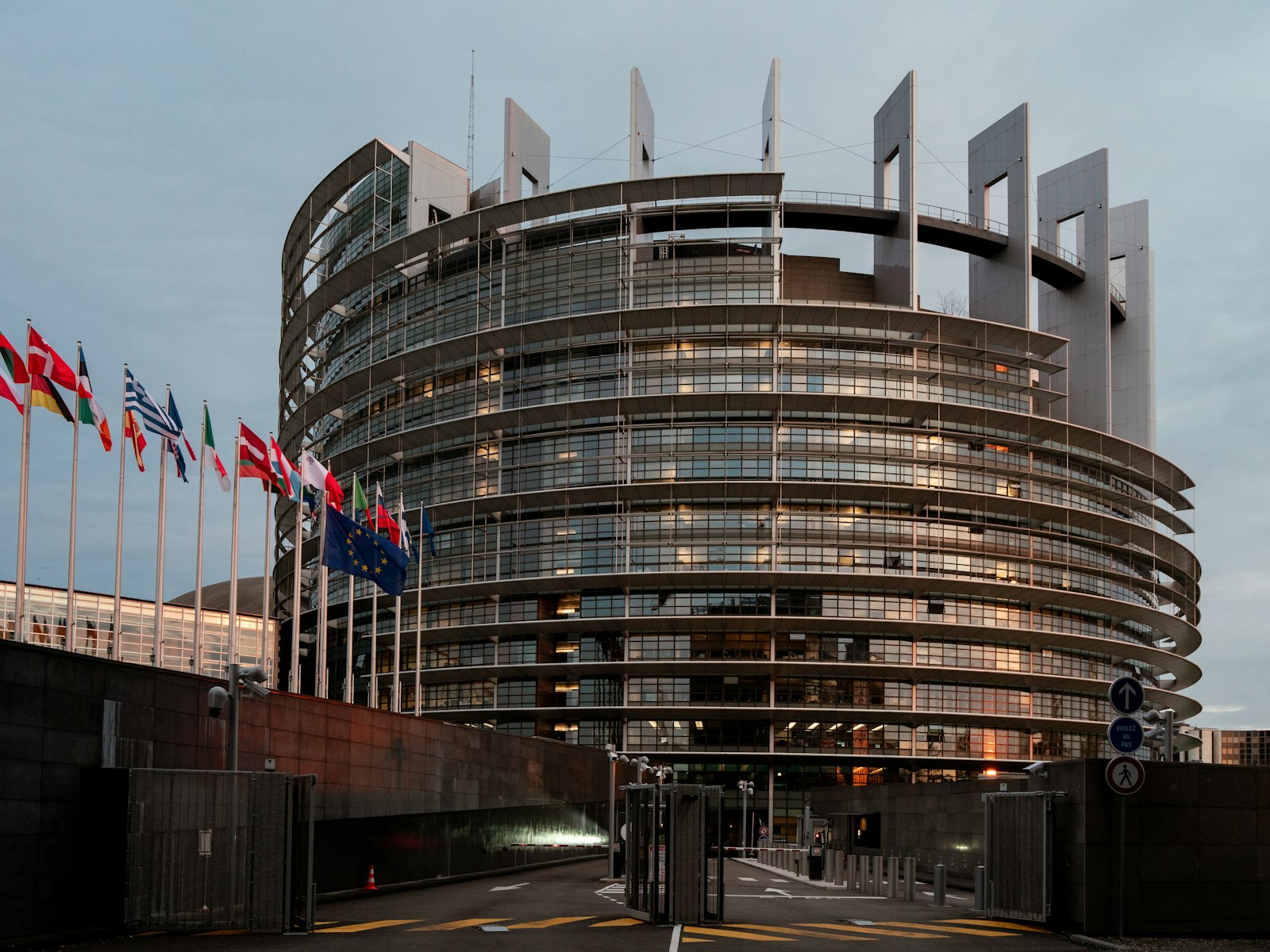
Negotiators from the European Parliament and the Council met in Strasbourg on 20 October for the first trilogue on extending CBAM to downstream steel and aluminium goods. Each side presented its mandate, and the meeting is reported to have exposed no major disagreements. Contexte reports that negotiators reached agreement on the provisions covering imported electricity and moved the remaining issues to the next round.
What goes to the technical teams
Four questions now pass to officials working between the formal meetings: a de minimis threshold for aluminium products, the treatment of metal scrap, whether online platforms should fall within scope, and how default values should be set at global level. Parliament has pressed on each of these. Its position cuts the aluminium threshold from 50 tonnes to 5, brings post-consumer aluminium scrap into the calculation and adds rules for online platforms.
The product list remains the largest gap. The Commission proposed around 180 downstream product types, the Council's general approach extends that list, and Parliament voted for more than 400.
Industry wants the widest list
On the day of the meeting, Eurofer, EUROMETAL, the wire rod processors' association Eunipra, the IndustriALL trade union federation and Steel for Packaging Europe issued a joint statement calling for the broadest possible extension. They argue that products left outside CBAM risk being replaced by imports, or their production moving abroad, as free allowances under the EU ETS are phased out. The groups named exposed sectors including machinery, construction, packaging, mobility and metal goods.
The timetable
The second trilogue, provisionally the last, is scheduled for 30 November, and the institutions aim for political agreement before the end of the year. The extended scope is planned to apply from 1 January 2028, so a deal in December would leave little more than a year to prepare.
What to do now
Exporters and importers of fasteners, wire, tubes, fabricated components and other metal-intensive goods should check their commodity codes against both the Council and Parliament lists, because the final list will fall somewhere between them. Anyone whose codes appear on either list should start collecting embedded emissions data from their steel and aluminium suppliers now. That data comes from installation level and takes months to assemble.
We will report on the outcome of the 30 November round.
CBAM-Assured trains manufacturers, importers and their advisers to build the emissions data the extended CBAM will require; contact us if your products are on either list.