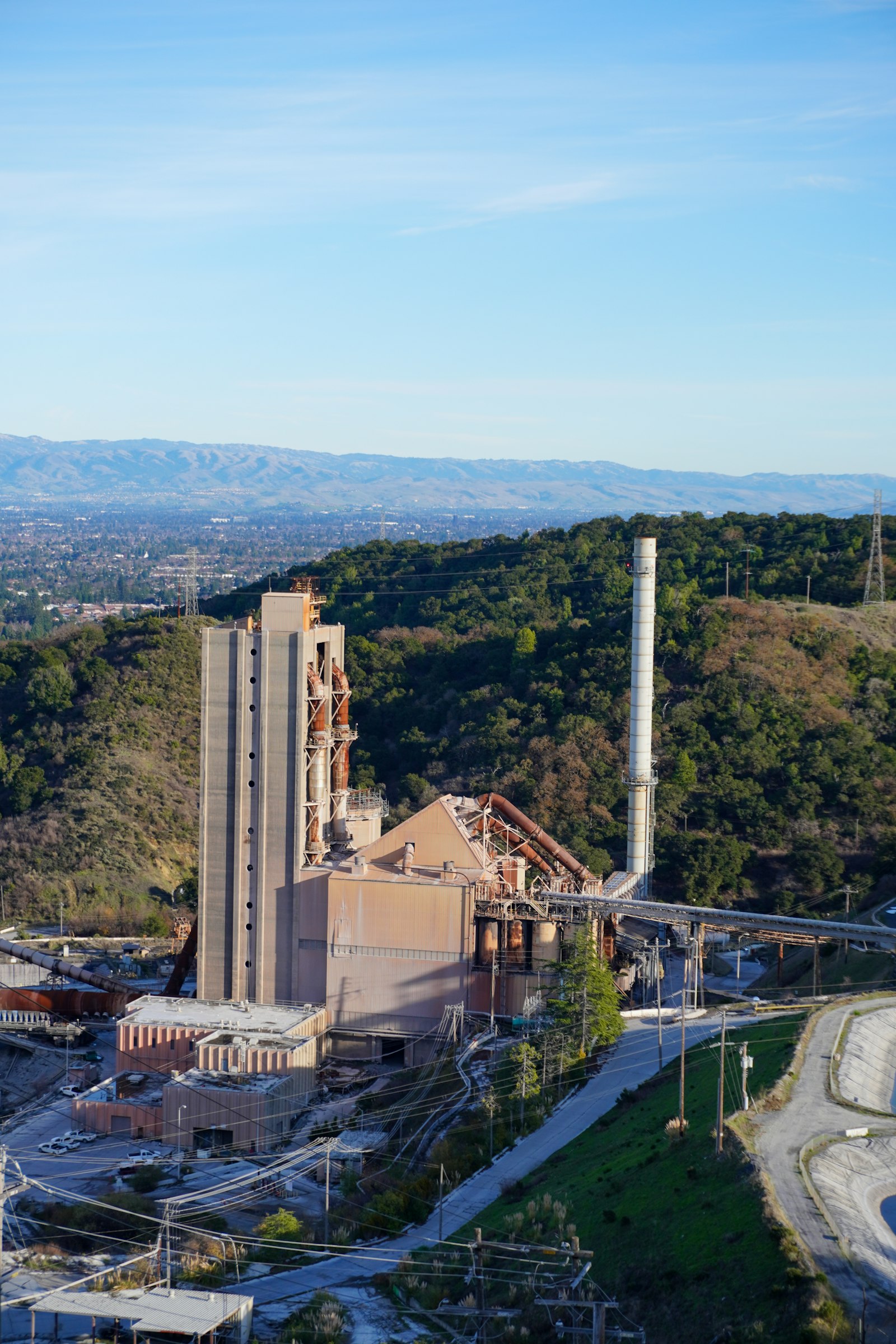
Switzerland moves towards a carbon border charge on cement imports
Switzerland has taken a step towards its own carbon border adjustment. On 21 October the Federal Council published its opinion on a draft law from the National Council's environment committee that would put a carbon charge on imported cement, and recommended that Parliament approve it. The government added one condition: the charge should only take effect if cement imports from third countries rise sharply.
Why cement, and why now
Swiss cement plants sit inside the Swiss emissions trading system, which has been linked to the EU ETS since 2020. As in the EU, the free allowances cement producers receive are being cut back, which raises the carbon cost of making cement in Switzerland. Producers outside Europe face no such cost. The committee's concern, which the Federal Council shares, is that production and its emissions could move to countries with weaker climate policy and come back as imports. Cement is the largest emitter among the sectors in the Swiss trading system, which is why the draft starts there.
The proposal began as parliamentary initiative 21.432, which asked for the groundwork for a Swiss carbon border system. The committee's draft, a federal act on carbon border adjustment for imports of cement goods, was reported on 31 August 2026.
How the charge would work
The draft that went out to consultation between November 2025 and February 2026 follows the EU model closely. Goods from the EU and EFTA states covered by the emissions trading link would be exempt, and the Federal Council could exempt other countries with comparable arrangements. The charge would be based on the direct and indirect emissions embedded in the imported cement goods and their precursors, priced at the average EU allowance price, less a deduction reflecting the free allocation a Swiss producer would have received. Carbon prices already paid in the country of production would be credited.
Importers would declare once a year, using actual emissions where they have them and Federal Council default values, set with reference to the EU's, where they do not. The Federal Office for the Environment could require the declared emissions to be verified at the importer's expense. Imports below 50 tonnes would be exempt.
The draft charge is small in money terms. The consultation report estimates annual revenue of CHF 10,000 to 50,000, a sign that its purpose is to deter imports from displacing Swiss production. Of 63 consultation responses, most supported the idea, with disagreement over scope, the use of revenue, the self-declaration regime and compatibility with WTO rules.
The trigger
The Federal Council sees risks for Swiss foreign trade in introducing the charge and in the signal it sends to trading partners. It therefore wants the law to stay dormant unless imports from third countries increase strongly. The bill now goes to Parliament, and no start date has been set.
What it means for exporters
For EU and EFTA cement producers nothing changes, since their goods would be exempt. Producers in other countries that ship cement or clinker to Switzerland should expect to supply embedded emissions data in much the same form the EU CBAM already demands, verified where the importer wants to avoid default values. The draft's reliance on EU origin rules and EU-referenced default values means data prepared for the EU scheme should go a long way towards meeting the Swiss one.
If Parliament passes the law, Switzerland would join a growing group of European countries that price the carbon in imports, alongside the EU's scheme and the UK CBAM that starts in January 2027.
CBAM-Assured trains producers and importers to build installation-level emissions data that meets the EU, UK and emerging national border schemes; contact us to discuss your cement and clinker exports.